Why UK Based Vehicle Protection Matters More Than Ever for Drivers and Businesses
@ukbasedvehicleprotectionedge
November 3, 2026 · 7 min read
Driving on UK roads today involves more than just knowing the Highway Code. With the rise of sophisticated vehicle crime, including number plate cloning and identity fraud, the way we think about vehicle registration and security has shifted. I have spent years working alongside fleet managers, private sellers, and everyday motorists, and one thing is clear: the old habit of trusting a vehicle solely on its visible plates is no longer enough. A robust approach to uk based vehicle protection has become a practical necessity, not just a precaution.
Number plate cloning is a growing problem across the country. Criminals copy a legitimate registration mark from one vehicle and attach it to an identical model, often a stolen car or one used in other offences. When that car passes an ANPR camera, the system reads the cloned plate and flags nothing unusual, because the number belongs to an innocent vehicle. The owner of the original plates then receives penalty charge notices, congestion charge demands, or even letters from the police about crimes they did not commit. Sorting this out takes time, stress, and often legal help. The DVLA and police are aware of the issue, but the burden of proof often falls on the victim.
This is where a shift towards proactive uk based vehicle protection can make a real difference. Instead of waiting for a problem to surface, drivers and businesses can use secure verification systems that cross-check vehicle registration details against official databases in real time. These systems do not just look at the number plate. They compare the VIN, the model, the colour, and sometimes the V5C document details. If something does not match, the system raises an alert before a transaction or a journey even begins.
How Number Plate Cloning Actually Works
Cloning is not a random act. Criminals often target vehicles that are common on UK roads, such as white vans, black taxis, or popular saloon cars. They find a matching model parked in a supermarket car park or listed online, photograph the number plate, and have a replica made. Some even go further and obtain a duplicate V5C document through identity theft, making the cloned vehicle appear legitimate on paper. This is why a simple visual check of the plate is unreliable.

For businesses that operate fleets, the risk multiplies. A single cloned vehicle linked to your company can lead to multiple fines, insurance claims, and reputational damage. The Motor Insurance Database and the Police National Computer (PNC) can flag some inconsistencies, but only if the data has been updated and cross-checked. Real-time alerts from a verification network can catch a mismatch the moment a vehicle is checked against the National Fraud Database or other official sources.
Beyond the Plate: Why Secure Verification Matters
Secure verification is not just about checking a number against a list. It involves confirming that the vehicle identity check matches the physical asset. For example, when a private buyer purchases a car, they can request a digital certificate that confirms the registration details are valid and have not been tampered with. This kind of uk based vehicle protection helps prevent fraud before money changes hands.
Private number plates add another layer of complexity. A cherished plate can be worth thousands, but it also makes the vehicle more attractive to cloners who want to hide their tracks. If you own a private plate, you need to be especially vigilant. Verification services that check the plate against the registered keeper and the vehicle itself can alert you if your mark is being used elsewhere.
What to Look for in a Protection System
Not all vehicle protection systems are the same. Here are a few practical features that matter:
- Access to the National Fraud Database and the Police National Computer for cross-referencing
- Real-time alerts when your registration is checked or when a mismatch is detected
- Digital certificate generation for proof of vehicle identity during sales or transfers
- Integration with ANPR camera data to spot cloned plates on the road
- A clear process for reporting and resolving cloning incidents with the DVLA and police
These elements work together to create a safety net. They do not replace the need for vigilance, but they make it much harder for criminals to operate unnoticed.
The Role of the DVLA and Police
The DVLA holds the master records for all vehicle registrations in the UK. They issue the V5C document and manage the database that the police and other enforcement agencies rely on. However, the DVLA does not actively monitor every plate on the road. They respond to reports of cloning, but the initial detection often comes from the victim. The police use ANPR cameras and the PNC to flag suspicious vehicles, but a cloned plate that matches the database will not raise an alert until someone reports it.
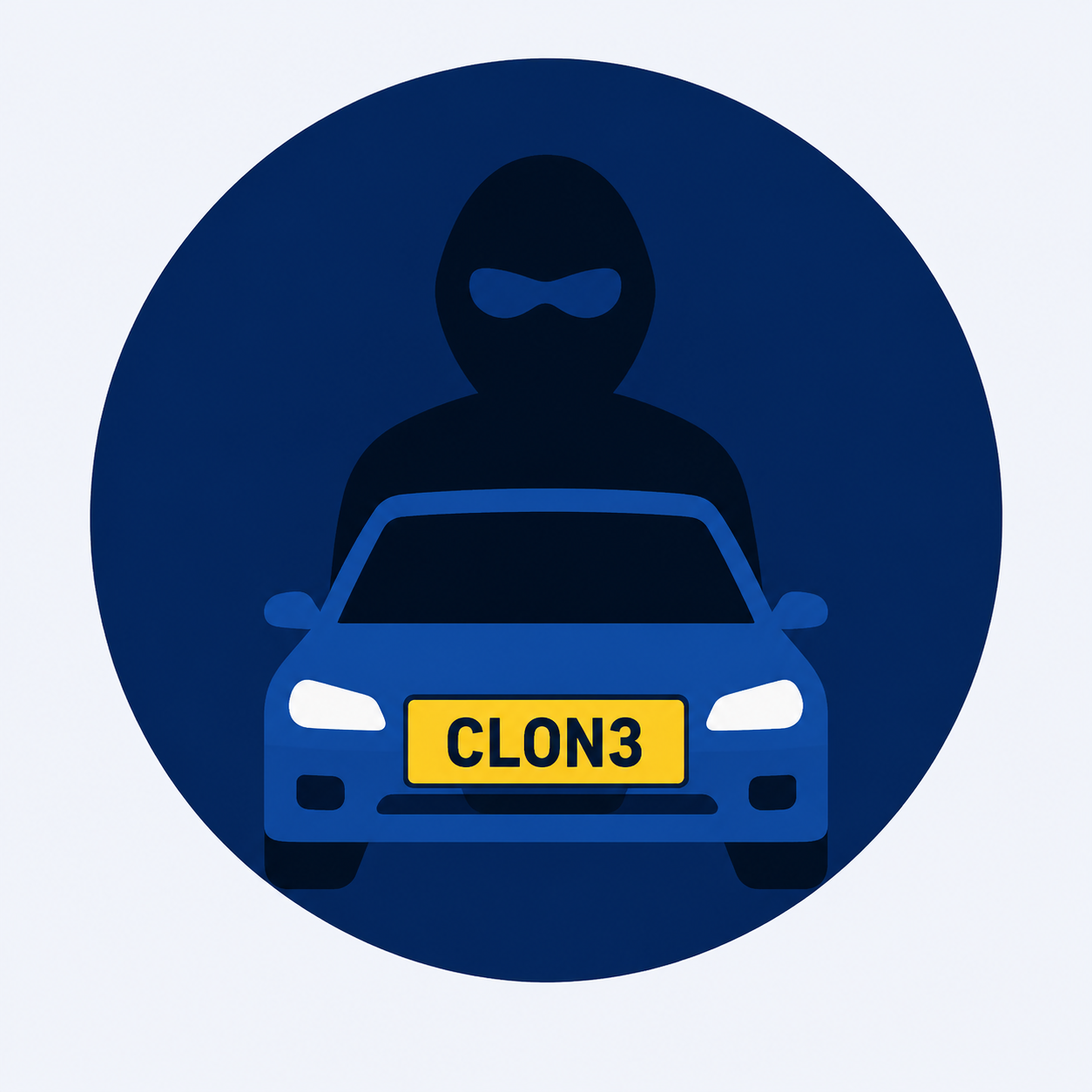
This is why a separate layer of fraud prevention is so valuable. A verification network can act as an early warning system. It does not replace official channels; it complements them. When a mismatch is found, the system can generate a report that the owner can submit to the DVLA and the police, saving time and providing clear evidence.
Identity Fraud and the Wider Picture
Number plate cloning is often part of a larger pattern of identity theft. Criminals do not just steal a plate; they may also use stolen personal details to register vehicles, obtain finance, or commit other crimes. The V5C document is a prime target because it proves ownership. If someone gets hold of your V5C along with your address, they can clone your vehicle and your identity at the same time.
This is where a secure verification system that links the plate to the registered keeper and the vehicle itself becomes essential. It creates a digital fingerprint that is hard to forge. For businesses, this is especially important when buying or selling vehicles in bulk. A single fraudulent transaction can cost thousands and lead to legal complications that drag on for months.
Practical Steps You Can Take
Whether you are a fleet manager or a private driver, there are concrete actions that improve your security:
- Check your vehicle registration details regularly on the DVLA website to confirm they match your records.
- If you sell a vehicle, notify the DVLA immediately and keep a copy of the V5C tear-off slip.
- Use a verification service that provides real-time alerts and a digital certificate for each vehicle you own or operate.
- Report any unexpected fines or penalty notices to the police and the DVLA as soon as they arrive.
- Consider using a PlateMaster or similar verification tool for high-value private number plates.
These steps are not difficult, but they require consistency. The goal is to make your vehicle less attractive to criminals. If they see that your registration is actively monitored, they are more likely to move on to an easier target.
The Bigger Picture on UK Roads
Vehicle crime is not static. As ANPR cameras become more widespread and databases become more connected, criminals adapt. They look for gaps in the system, and number plate cloning is one of the gaps that has grown. The good news is that the same technology that enables cloning can also be used to fight it. Real-time alerts, secure verification, and digital certificates are all tools that tilt the balance back in favour of the legitimate owner.
For anyone who drives on UK roads or runs a business that relies on vehicles, the message is simple: do not assume your plates are safe just because they look right. A proactive approach to uk based vehicle protection is the only way to stay ahead. It is not about paranoia; it is about practicality. The cost of a verification service is small compared to the time, money, and stress of dealing with cloning after the fact.
In the end, protecting your vehicle registration is about protecting your identity and your livelihood. The systems exist. The question is whether you choose to use them before a problem finds you.